Category: SEO

  • What Is an SEO Service and What to Expect?

    What Is an SEO Service and What to Expect?

    SEO Services

    Introduction

    If you’ve ever wondered how some websites show up on the first page of Google while others seem to vanish into the internet void, the answer is often SEO—short for Search Engine Optimization. SEO is more than just a buzzword; it’s a digital marketing strategy that helps your website attract more organic traffic, reach your ideal customers, and stay competitive online.

    But if you’re new to this, “SEO service” might sound vague or even intimidating. What does an SEO service actually include? How does it help your business grow? And what should you expect when you hire an SEO agency or consultant?

    In this article, we’ll break it all down—from what an SEO service really is, to the types of work involved, and what results you can realistically expect. Whether you’re thinking of hiring an SEO expert or just want to understand how it works, this guide will give you the clarity you need.


    What Is an SEO Service?

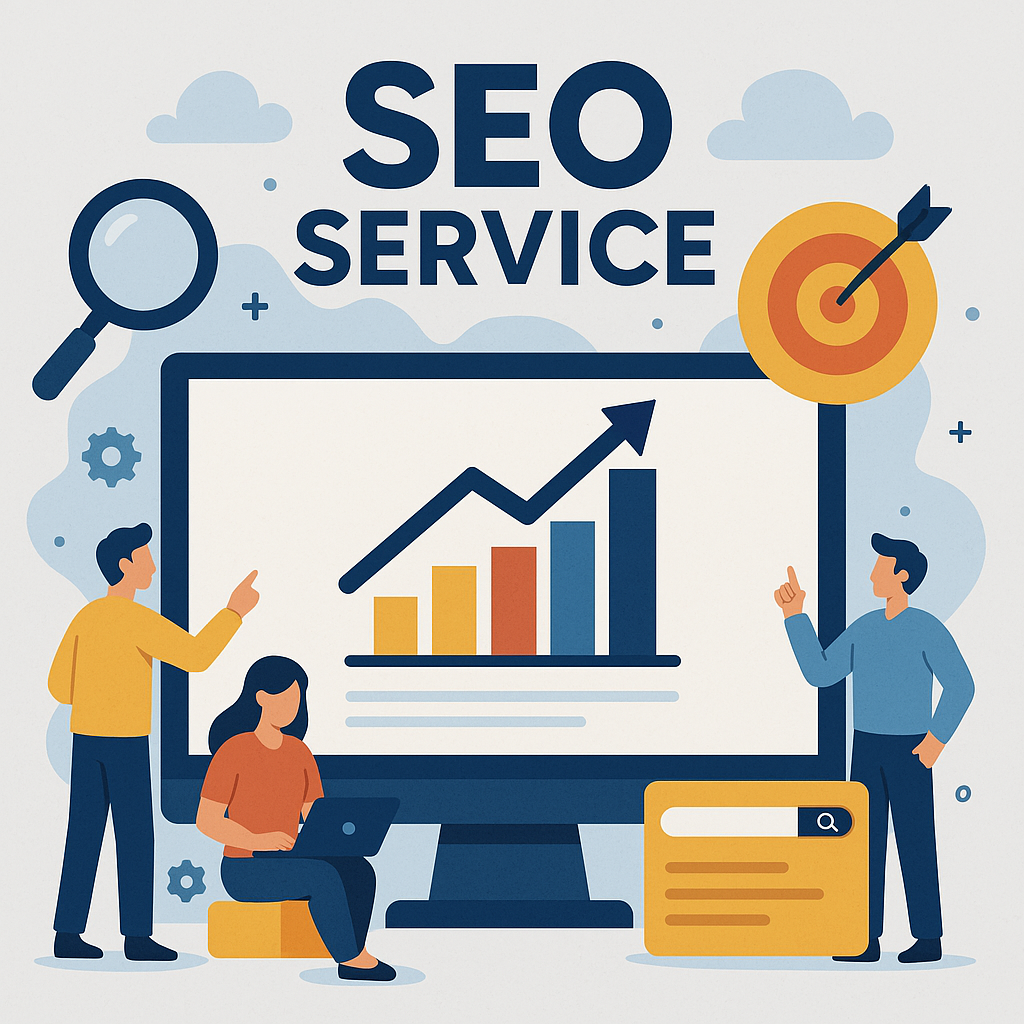
    An SEO service is a professional service that helps improve your website’s visibility in search engines like Google, Bing, and Yahoo. The goal is simple: to attract more qualified visitors to your site by ranking higher in search results for relevant keywords.

    SEO services can be provided by digital marketing agencies, freelance SEO specialists, or consultants. These services can be one-time (such as an SEO audit) or ongoing (such as monthly content and link building).

    Depending on your business needs, SEO services may include technical improvements to your site, creating content that ranks, optimizing your pages for better performance, earning backlinks, or all of the above. While the exact scope may vary, the core purpose remains the same: help your ideal customers find you online without paying for every click.

    Some common SEO deliverables include:

    • Keyword research and strategy
    • On-page optimization (titles, headings, internal links, content structure)
    • Technical SEO fixes (speed, mobile optimization, crawlability)
    • Local SEO for businesses with physical locations
    • Link building and digital PR
    • Regular tracking, reporting, and strategic adjustments

    Think of an SEO service as both a technician and a strategist—fine-tuning your website behind the scenes while also creating a plan to get your business in front of the right audience.

    Key Components of a Typical SEO Service

    Understanding what goes into an SEO service helps you see the real value behind the strategy. Here’s a breakdown of the core components you can expect from a professional SEO provider:


    A. Website Audit and Analysis

    Before anything else, a thorough SEO audit is done to assess your site’s current health and performance.

    What it includes:

    • Technical SEO issues (broken links, slow loading pages, crawl errors)
    • On-page SEO analysis (content gaps, meta tags, internal links)
    • Backlink profile review
    • Keyword rankings
    • Competitor insights

    B. Keyword Research and Strategy

    Keyword research is the backbone of any SEO campaign. It involves finding the terms your target audience is searching for.

    What to expect:

    • Identifying high-volume, low-competition keywords
    • Mapping keywords to pages (keyword clustering)
    • Creating a strategy based on user intent (informational, navigational, transactional)

    C. On-Page SEO

    On-page SEO refers to everything you can control on your own website to improve rankings.

    Includes:

    • Optimizing meta titles and descriptions
    • Proper use of H1, H2, and other headers
    • Internal linking strategy
    • Image alt tags and file names
    • Content structure and keyword placement

    D. Technical SEO

    Technical SEO helps search engines crawl and index your site without issues.

    Examples of technical tasks:

    • XML sitemaps and robots.txt
    • Mobile responsiveness
    • Page speed optimization
    • Fixing crawl errors and broken links
    • Implementing structured data (schema markup)

    E. Off-Page SEO

    Off-page SEO focuses on activities done outside your website to boost your site’s authority and visibility.

    Services may include:

    • Link building (high-quality backlinks)
    • Guest blogging
    • Digital PR and brand mentions
    • Citation building for local SEO

    F. Content Creation and Optimization

    SEO services often include writing or optimizing content that helps your site rank better and attract readers.

    Content types:

    • Blog posts
    • Landing pages
    • Service/product pages
    • Evergreen content and FAQs

    G. Local SEO (If Applicable)

    If you’re a local business, SEO providers often offer specialized services to boost your visibility in local search results.

    Includes:

    • Google Business Profile optimization
    • Consistent NAP (Name, Address, Phone Number)
    • Local keyword targeting
    • Earning local citations and reviews

    H. Analytics and Reporting

    An SEO campaign without tracking is like driving with your eyes closed. You should expect regular updates and transparent reporting.

    What’s usually tracked:

    • Organic traffic
    • Keyword rankings
    • Conversions
    • Bounce rate
    • Backlink growth

    Tools commonly used:

    • Google Analytics (GA4)
    • Google Search Console
    • Third-party SEO tools like Ahrefs, SEMrush, or Moz

    What to Expect When You Hire an SEO Service

    Hiring an SEO service isn’t just a one-time transaction. It’s an ongoing partnership designed to help your business grow over time. Here’s what the process usually looks like:


    A. Initial Consultation and Discovery Call

    The first step is all about understanding your business.

    You’ll discuss:

    • Your business goals
    • Target audience
    • Current website performance
    • Competitors and industry landscape

    This discovery stage helps your SEO provider tailor the strategy to your unique needs.


    B. Customized Strategy Proposal

    After the initial audit and research, you’ll receive a strategy plan outlining:

    • Key areas for improvement
    • Suggested timeline of implementation
    • Tools and tactics to be used
    • KPIs (key performance indicators)

    C. Implementation and Optimization

    This is when the actual work begins—fixing issues, publishing content, improving site speed, optimizing pages, and building links.

    SEO is a mix of one-time tasks (like fixing site structure) and ongoing work (like publishing content and earning backlinks).


    D. Communication and Reporting

    A good SEO service keeps you in the loop.

    You should receive:

    • Monthly reports
    • Clear breakdowns of wins, opportunities, and progress
    • Next-step suggestions based on current performance

    Communication is key—avoid providers who “go dark” after onboarding.


    E. Timeframe and Realistic Expectations

    SEO is not an overnight solution. It’s a long-term investment.

    What you can typically expect:

    • Month 1–2: Setup and fixes
    • Month 3–6: Keyword movement and visibility improvements
    • Month 6–12: Noticeable traffic and lead increases
    • Ongoing: Continuous improvements and higher ROI over time

    How to Choose the Right SEO Service Provider

    Not all SEO providers are created equal. To avoid wasted time and money, it’s important to know what to look for—and what to avoid.


    ✅ Qualities to Look For:

    • Transparency – They should explain what they’re doing and why.
    • Custom Strategy – Avoid one-size-fits-all packages.
    • Proven Results – Look for case studies or reviews.
    • Clear Reporting – You should never be in the dark about your progress.
    • Ethical Practices – No shortcuts or shady tactics (e.g., buying links, keyword stuffing).

    ❌ Red Flags to Watch Out For:

    • Guaranteed “#1 Rankings”
    • Vague deliverables
    • No onboarding or discovery process
    • Over-reliance on jargon
    • No clear timeline or updates

    Why SEO Services Are a Smart Investment

    You may wonder: is SEO really worth the money? The short answer—yes, if done right.

    Here’s why:

    • Organic traffic is long-term. Unlike paid ads, you don’t have to keep spending to stay visible.
    • Higher credibility. Top-ranking sites are perceived as more trustworthy.
    • Better user experience. SEO also improves page speed, mobile usability, and navigation.
    • Compounds over time. SEO builds momentum, meaning results can grow month after month.

    Conclusion

    SEO is more than just adding keywords to a page—it’s a full strategy designed to help your business grow and thrive online.

    When you invest in an SEO service, you’re not just buying rankings. You’re building a digital foundation that brings in consistent traffic, improves your visibility, and helps turn visitors into customers.

    This article was originally posted at Search Mastery.

  • 10 SEO Ideas You Can Try Today

    10 SEO Ideas You Can Try Today

    SEO Ideas

    10 SEO Ideas that help your website rank on TOP

    Want to grow your website traffic and rank higher on Google without waiting months to see results? Try these 10 practical and beginner-friendly SEO ideas you can implement today. Whether you’re a business owner, marketer, or blogger, these tips will help improve your visibility and drive more qualified visitors to your site.


    1. Optimize Your Title Tags

    Your title tag is the first thing users (and Google) see. Make sure every page on your site has a clear, keyword-rich, and engaging title.

    Example: Instead of “Home,” use “Custom SEO Services for Small Businesses | Your Brand Name.”

    Tips:

    • Keep it under 60 characters
    • Include your primary keyword
    • Match search intent

    2. Write Better Meta Descriptions

    Meta descriptions don’t directly influence rankings, but they do affect your click-through rate (CTR). A good one can mean the difference between a user clicking your result or skipping it.

    Checklist:

    • Keep it under 160 characters
    • Include your main keyword
    • Add a benefit or call to action

    3. Use Internal Linking to Boost Key Pages

    Internal links pass SEO value between pages and help Google understand your site structure. They also keep users on your site longer.

    What to do:

    • Link blog posts to service pages
    • Use keyword-rich anchor text (e.g., “SEO services” instead of “click here”)
    • Update older posts with new links

    4. Refresh an Old Blog Post

    Updating existing content is often faster and more effective than writing a new article from scratch. Find posts that are over 6 months old and:

    • Improve the intro and formatting
    • Add new data, examples, or insights
    • Optimize the title and meta description

    This can boost rankings quickly and show Google your site is active.


    5. Add FAQs with Schema Markup

    Answering common questions with FAQs not only helps users but also makes your listing eligible for rich snippets in the SERPs.

    Example FAQ block:

    • What is SEO?
    • How long does SEO take to work?
    • What is the difference between on-page and off-page SEO?

    Use a plugin like Yoast or Rank Math to add schema to your FAQs easily.


    6. Compress Images to Improve Site Speed

    Page speed affects both user experience and rankings. Large images slow down your site.

    Quick fix:

    • Use TinyPNG or ShortPixel to compress images before uploading
    • Serve images in WebP format
    • Add ALT text with relevant keywords

    7. Target One Long-Tail Keyword Per Blog Post

    Long-tail keywords are specific, less competitive, and easier to rank for. Instead of targeting “SEO,” try:

    • “SEO for local businesses”
    • “affordable SEO tips for startups”

    Use tools like AnswerThePublic, Google Autosuggest, or SEMrush’s Keyword Magic Tool to discover long-tail opportunities.


    8. Improve Your URL Structure

    Short, clean URLs help with SEO and user trust. Compare:

    Bad: yoursite.com/page?id=12345
    Good: yoursite.com/seo-ideas-today

    Tips:

    • Use hyphens, not underscores
    • Include the target keyword
    • Avoid stop words (like “and,” “the”)

    9. Submit Your Site to Google Search Console

    If you haven’t already, this is a must-do. Google Search Console helps you:

    • Monitor performance
    • Submit your sitemap
    • Fix indexing issues

    It’s free and essential for tracking your SEO progress.


    10. Add a Clear Call-to-Action (CTA)

    Every page should guide visitors toward a next step. CTAs improve engagement, conversions, and SEO signals like time-on-page.

    Examples:

    • “Download our free SEO checklist”
    • “Schedule a free strategy call”
    • “Explore our SEO services”

    Final Thoughts

    You don’t need to overhaul your entire website to see SEO improvements. These 10 ideas are small, strategic actions that can make a big difference—especially when done consistently. Pick 2–3 from this list and try them today.

    This article was originally posted at Search Mastery

  • Search Intent Evolution: Understanding User Behavior in 2025

    Search Intent Evolution: Understanding User Behavior in 2025

    Search engines have evolved dramatically in the last decade, shifting from simple keyword matching to sophisticated systems that understand the true intent behind a query. In 2025, understanding search intent is more critical than ever for businesses and marketers who want to connect with their audience effectively. Whether users are seeking information, making a purchase, or finding a specific location, optimizing content to align with their intent is the key to success.

    What is Search Intent?

    Search intent, also known as user intent, refers to the primary goal a user has when entering a query into a search engine. It’s the “why” behind a search, and it’s essential for delivering relevant results. Broadly, there are four types of search intent. Informational intent involves users seeking knowledge or answers to a question, such as “What is hyperlocal SEO?” Navigational intent is when users want to find a specific website or page, like “LinkedIn login.” Transactional intent occurs when users are ready to make a purchase or take a specific action, for example, “Buy noise-canceling headphones.” Lastly, commercial investigation intent is about comparing products or services before making a decision, such as “Best smartphones under $500.”

    Understanding these types of intent is vital for creating content that aligns with user expectations. For instance, informational content should educate and provide value, while transactional content should focus on clear calls-to-action and product details. Navigational intent requires accurate and easily accessible links to your key pages, and commercial investigation content needs to compare options comprehensively to facilitate decision-making.

    The Evolution of Search Intent

    The evolution of search intent reflects the technological advancements in how search engines process queries. Initially, search engines focused on exact keyword matches. Today, they prioritize the context of a query, thanks to advancements like Google’s BERT (Bidirectional Encoder Representations from Transformers) and MUM (Multitask Unified Model). These AI-powered algorithms analyze user behavior, previous searches, and even location to predict intent more accurately. As a result, search engines now deliver results that are more personalized and context-aware.

    Voice search has also contributed significantly to this evolution, with assistants like Alexa and Google Assistant changing how users search. Voice queries are often longer and more conversational, requiring content that aligns with natural language. Similarly, visual and multimodal search capabilities, such as Google Lens, enable users to search using images. These searches often blend informational and transactional intent, adding complexity to intent categorization. Mobile-first search has also become dominant, with most searches happening on mobile devices, often tied to immediate needs like finding nearby businesses or quick answers. Users frequently switch between intents within a single session, such as moving from informational intent while learning about laptop specifications to transactional intent when ready to buy.

    The growth of AI and machine learning has allowed search engines to predict user intent more accurately by analyzing past behaviors and patterns. This shift means that businesses need to anticipate these changes and craft their content accordingly to remain competitive in their niche.

    Why Search Intent Matters in 2025

    Understanding and optimizing for search intent matters greatly in 2025. Content that aligns with user intent delivers enhanced user experience, reducing bounce rates and increasing engagement. When a user’s needs are met, they are more likely to stay on your site, explore more pages, and take action, whether it’s signing up for a newsletter, making a purchase, or sharing your content.

    Pages that match intent are rewarded with higher rankings, as search engines recognize their value in satisfying users. Addressing transactional and commercial intent leads to improved conversion rates, turning searchers into customers. Businesses that master search intent gain a competitive advantage by meeting user needs more effectively than competitors.

    Furthermore, understanding search intent helps businesses allocate their resources efficiently. Instead of targeting broad audiences, brands can focus on specific queries and intents that align with their objectives. This targeted approach ensures higher ROI from SEO and digital marketing campaigns.

    Adapting to Changes in Search Intent

    Adapting to changes in search intent involves several steps. First, understanding your audience is essential. Tools like Google Analytics and SEMrush can help analyze search queries and behavior, while surveys or interviews can provide deeper insights into customer needs. This analysis should focus on identifying patterns in the types of questions your audience asks, the phrases they use, and the actions they take after visiting your site.

    Next, mapping content to intent ensures that different types of content align with different intents. For example, blog posts cater to informational intent, while product pages target transactional intent. Optimizing for voice and natural language is increasingly important, requiring the use of conversational language in FAQs and blog posts, as well as focusing on long-tail keywords and question-based queries. Leveraging schema markup is another crucial step. Adding structured data helps search engines understand content better and match it to intent. Examples include FAQ schema, product schema, and review schema.

    Creating multimedia content is also effective in addressing different types of intent. For instance, a product demo video can address transactional intent, while a detailed blog post can serve informational intent. Combining text, visuals, and interactive tools can engage users and keep them on your site longer. Finally, monitoring and adjusting content based on performance metrics and trends ensures that strategies remain effective over time. Regular audits of your content and SERP rankings will help you identify gaps and opportunities to better align with user intent.

    Best Practices for Optimizing Search Intent

    Several best practices can help optimize for search intent. Segmenting your audience involves identifying different personas and their corresponding intents, tailoring content to address these segments effectively. This segmentation ensures that your messaging resonates with your audience, increasing engagement and conversions.

    Focusing on SERP features like featured snippets, knowledge panels, and “People Also Ask” sections can boost visibility. For example, creating concise, informative content that answers common questions is essential. Utilizing local SEO for hyperlocal intent, such as “near me” searches, involves updating Google Business Profile listings and including localized keywords. Improving site speed and mobile friendliness is critical, as most searches happen on mobile devices and are tied to immediate intent. Incorporating reviews and testimonials builds trust, catering to transactional and commercial intent. Diversifying content formats, such as blogs, videos, infographics, and interactive tools, engages users with different intents.

    Future Trends in Search Intent

    Future trends in search intent include AI-powered predictive search, where algorithms refine predictive capabilities to offer more personalized results. Context-aware search will leverage sensors and contextual data to better anticipate user intent. Integration of augmented and virtual reality will create immersive search experiences, blending informational and transactional intent. For instance, AR could allow users to visualize how a piece of furniture fits in their home before purchasing it, seamlessly merging different intent types.

    Ethical and inclusive search practices will also gain prominence, as search engines prioritize content that aligns with ethical standards and inclusivity, shaping user intent. This trend reflects broader societal shifts toward transparency, fairness, and accessibility in digital spaces.

    Real-Life Example of Mastering Search Intent

    A real-life example of mastering search intent involves a tech retailer that analyzed their audience and discovered two primary intents: informational and transactional. Informational intent was addressed through detailed blog posts and comparison guides, while transactional intent was targeted with optimized product pages featuring clear calls-to-action and reviews. The results were impressive, with a 40% increase in organic traffic and a 25% higher conversion rate within six months.

    Another example comes from the travel industry, where a company optimized for both commercial investigation and transactional intent. They created comparison pages for top destinations and included booking options directly on the page. This dual-focus approach resulted in a 60% growth in bookings and improved customer retention.

    Final Thoughts

    Understanding and adapting to search intent is not just an SEO strategy; it’s a way to connect with users meaningfully. As search engines evolve, businesses must align content with user intent and stay ahead of trends. By doing so, they can drive engagement, build trust, and achieve long-term success. Whether you’re creating educational blog posts, crafting compelling product descriptions, or developing innovative AR experiences, keeping search intent at the forefront of your strategy will position you for success in 2025 and beyond.

  • Hyperlocal and Multilingual SEO: Unlocking Global and Local Potential in 2025

    Hyperlocal and Multilingual SEO: Unlocking Global and Local Potential in 2025

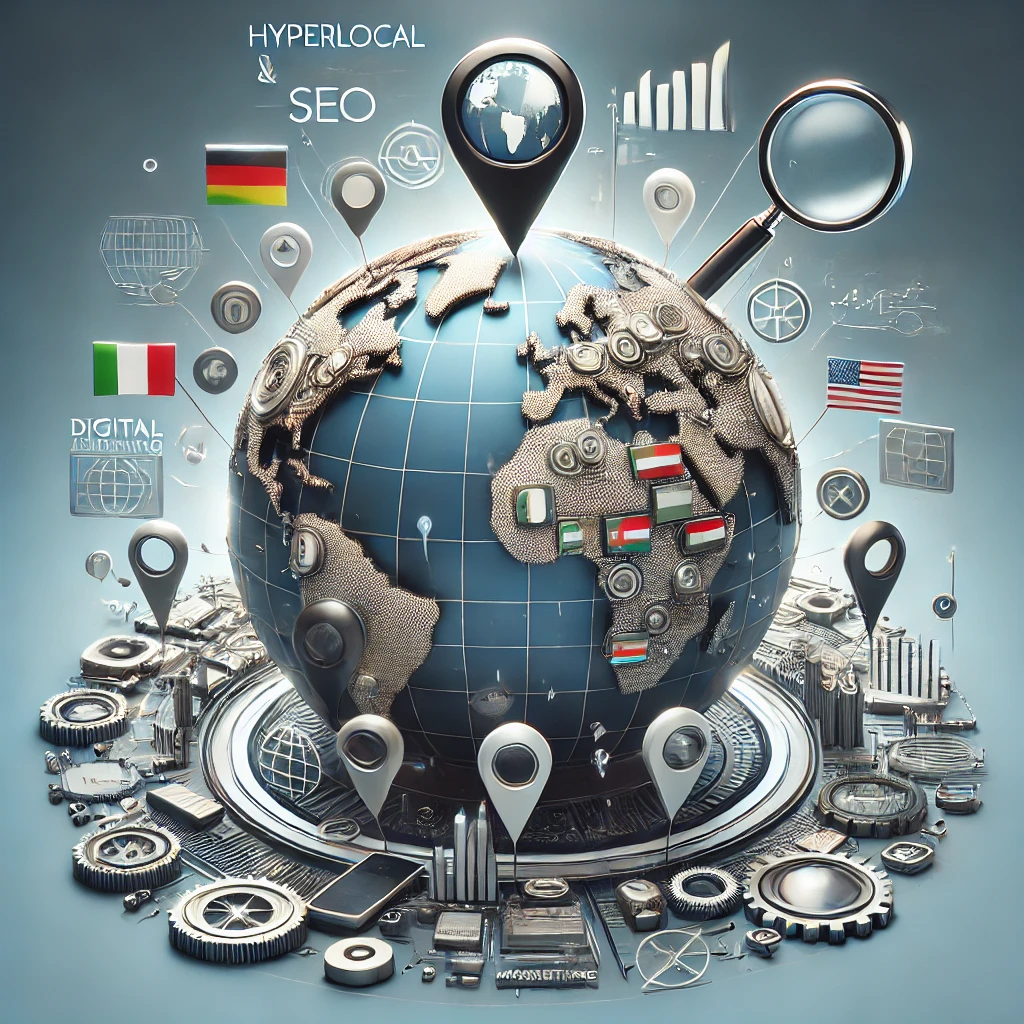
    In the ever-evolving world of digital marketing, businesses face a dual challenge: how to capture audiences both locally and globally. As we step into 2025, the fusion of hyperlocal and multilingual SEO strategies has emerged as a game-changer for businesses aiming to maximize their reach and relevance. Whether you’re a small business targeting local neighborhoods or a global brand entering new markets, these advanced strategies are your key to staying ahead.

    In this comprehensive guide, we’ll explore:

    • What hyperlocal and multilingual SEO are.
    • Why they’re crucial for success in 2025.
    • How to implement these strategies effectively.

    What is Hyperlocal SEO?

    Hyperlocal SEO focuses on optimizing your online presence to target a highly specific geographic area. Instead of targeting an entire city, state, or country, hyperlocal SEO hones in on neighborhoods, streets, or even landmarks. This precision helps businesses connect with nearby customers actively searching for their services.

    Key Components of Hyperlocal SEO

    1. Google Business Profile Optimization
      • Ensure your Google Business Profile is fully updated with accurate business details.
      • Use precise location-based keywords in your business description.
      • Encourage customers to leave reviews, as these boost local rankings.
    2. Local Keywords and Long-Tail Phrases
      • Optimize for location-specific keywords like “Italian restaurant near Central Park” instead of just “Italian restaurant.”
      • Use tools like Google Keyword Planner and SEMrush to identify hyperlocal search terms.
    3. Localized Content Marketing
      • Create blogs or videos about local events, news, or cultural topics that align with your brand.
      • Highlight partnerships or community involvement to establish local credibility.
    4. Geo-Targeted Ads
      • Run PPC campaigns tailored to specific ZIP codes or mile-radius zones.
      • Use location extensions in Google Ads to display your address alongside ads.

    What is Multilingual SEO?

    Multilingual SEO is the practice of optimizing your website for multiple languages, enabling it to reach audiences in diverse linguistic regions. As globalization accelerates, offering content in native languages can significantly improve user engagement and conversions.

    Key Components of Multilingual SEO

    1. Language-Specific Keyword Research
      • Conduct keyword research in the target language rather than translating keywords from English.
      • Understand local search habits, cultural nuances, and slang to refine your strategy.
    2. Hreflang Tags
      • Use hreflang tags to inform search engines about language-specific versions of your content.
      • Proper implementation ensures the correct language version appears in regional searches.
    3. Localized Content Creation
      • Develop culturally relevant content that resonates with the local audience.
      • Avoid direct translations; instead, adapt content for cultural and linguistic relevance.
    4. Technical Optimization
      • Ensure fast page loading speeds for global users by leveraging Content Delivery Networks (CDNs).
      • Use geo-specific hosting for better site performance in target regions.

    Why Hyperlocal and Multilingual SEO Are Crucial in 2025

    1. Rise of Local Search Queries

    With mobile usage dominating the digital landscape, more users search for nearby solutions while on the go. Hyperlocal SEO ensures your business appears in “near me” searches, helping you capture high-intent customers.

    2. Globalization and Diversity

    The internet has made it easier for businesses to go global, but breaking language barriers is key to success. Multilingual SEO allows brands to communicate effectively with diverse audiences, fostering trust and driving engagement.

    3. Enhanced Search Engine Algorithms

    Search engines like Google continue to prioritize personalized and localized search results. By combining hyperlocal and multilingual strategies, you align with these algorithmic priorities, ensuring better visibility.

    4. Increased Competition

    As more businesses adopt digital marketing, standing out requires a granular approach. Hyperlocal SEO gives you a competitive edge locally, while multilingual SEO expands your reach globally.


    How to Implement Hyperlocal and Multilingual SEO Strategies

    Step 1: Conduct Audience Analysis

    • Identify hyperlocal areas where your target audience resides.
    • Study language preferences and cultural behaviors in international markets.

    Step 2: Optimize Your Website

    • Use localized landing pages tailored to specific neighborhoods or languages.
    • Ensure mobile responsiveness and fast loading times, especially for local users on-the-go.

    Step 3: Develop Geo-Targeted and Language-Specific Content

    • Write blogs, create videos, or develop infographics focused on local trends or culturally relevant topics.
    • Collaborate with local influencers or native speakers to improve content authenticity.

    Step 4: Leverage Schema Markup

    • Add local business schema to your site to enhance hyperlocal visibility.
    • Use language-specific schema to help search engines identify multilingual content.

    Step 5: Build High-Quality Local and Multilingual Backlinks

    • Partner with hyperlocal directories, blogs, or publications to gain local backlinks.
    • Seek links from authoritative sites in your target language and region.

    Step 6: Use Multilingual Analytics

    • Track performance by segmenting data for each language or region using tools like Google Analytics 4.
    • Measure key metrics like bounce rates, session duration, and conversion rates for local and global audiences.

    Real-Life Examples of Success

    1. A Local Bakery Boosts Foot Traffic

    A small bakery in Los Angeles used hyperlocal SEO to dominate searches like “best croissants near me.” By optimizing their Google Business Profile and running geo-targeted ads, they saw a 50% increase in in-store visits within three months.

    2. A Global E-Commerce Brand Expands

    An online retailer launched multilingual SEO for French, German, and Spanish markets. By using localized keywords and hreflang tags, they achieved a 120% increase in international traffic and a 60% boost in sales within six months.


    Challenges and How to Overcome Them

    1. Maintaining Accuracy in Translations

    Solution: Use professional translation services or native speakers to create culturally accurate content.

    2. Managing Multiple Campaigns

    Solution: Leverage SEO tools like SEMrush, Ahrefs, or BrightEdge to streamline keyword research, content planning, and tracking for various regions and languages.

    3. Adapting to Algorithm Changes

    Solution: Stay updated with Google’s local and international SEO updates through trusted blogs like Search Engine Journal and Moz.

    4. Technical Complexities

    Solution: Partner with experienced SEO professionals to handle hreflang implementation, CDNs, and other technical requirements.


    Future Trends in Hyperlocal and Multilingual SEO

    1. Voice Search Optimization

    • Hyperlocal voice search queries like “coffee shop open now near me” are growing. Optimize content for natural, conversational language.

    2. AI-Powered Personalization

    • AI tools are enabling hyper-personalized search experiences. Tailor content to match specific audience preferences and behaviors.

    3. Augmented Reality (AR) in Local Search

    • AR features in maps and local listings will enhance the discovery experience, making hyperlocal SEO even more critical.

    4. Greater Emphasis on User Experience (UX)

    • Both hyperlocal and multilingual sites must prioritize UX, ensuring seamless navigation, fast loading times, and intuitive interfaces.

    Summary:

    Hyperlocal and multilingual SEO are no longer optional; they’re essential strategies for businesses navigating the dynamic digital landscape of 2025. By addressing local nuances and linguistic diversity, you can connect with audiences on a deeper level, driving trust, engagement, and conversions.

    Whether you’re a corner store aiming for neighborhood dominance or a multinational brand conquering global markets, integrating hyperlocal and multilingual SEO will set you apart. Start today, and let these strategies propel your business into a future of unlimited potential.

    This article was originally posted at Search Mastery

  • Mastering Core Web Vitals: The Key to Exceptional Website Performance

    Mastering Core Web Vitals: The Key to Exceptional Website Performance

    The Key to Exceptional Website Performance

    In the fast-paced world of digital marketing, where attention spans are fleeting, and competition is fierce, website performance has become a crucial factor in determining the success of online businesses. Enter Core Web Vitals, a set of metrics introduced by Google that have revolutionized the way we approach website optimization and user experience.

    Understanding the Fundamentals of Core Web Vitals

    Core Web Vitals are a subset of Google’s broader Web Vitals, a comprehensive set of metrics designed to measure the quality of the user experience on the web. These Core Web Vitals focus on three critical aspects of website performance:

    1. Largest Contentful Paint (LCP): This metric measures the time it takes for the largest content element on the page to become visible to the user. A good LCP score is under 2.5 seconds, as this ensures that the main content of the page is loaded and displayed quickly, providing a seamless user experience.
    2. First Input Delay (FID): FID measures the time it takes for the page to become interactive, or the time between when a user first interacts with the page (e.g., clicks a link) and when the browser is able to respond to that interaction. A good FID score is under 100 milliseconds, as this ensures that the page is highly responsive and provides a smooth, lag-free experience.
    3. Cumulative Layout Shift (CLS): CLS measures the amount of unexpected layout shift of visual page content. A good CLS score is under 0.1, as this indicates that the page maintains visual stability and avoids jarring layout changes that can disrupt the user’s experience.

    Together, these three metrics provide a comprehensive view of the user experience, from the initial page load to the responsiveness of interactive elements and the overall visual stability of the page.

    Why Core Web Vitals Matter in the Digital Landscape

    Core Web Vitals have become increasingly important for several reasons:

    1. Search Engine Optimization (SEO): Google has made Core Web Vitals a ranking factor for its search algorithm, meaning that websites with better Core Web Vital scores are more likely to rank higher in search results. This is a game-changer, as it directly impacts the visibility and discoverability of your website in the crowded online marketplace.
    2. User Experience: Optimizing for Core Web Vitals directly improves the user experience by ensuring that pages load quickly, are responsive, and maintain visual stability. This leads to higher user satisfaction, increased engagement, and ultimately, better conversion rates.
    3. Competitive Advantage: As more websites optimize for Core Web Vitals, those that don’t may fall behind in terms of performance and user experience, potentially losing out on traffic, leads, and sales to their competitors.
    4. Mobile-First Indexing: With the growing importance of mobile-first indexing, where Google primarily uses the mobile version of a website for indexing and ranking, optimizing for Core Web Vitals on mobile devices has become crucial for maintaining a strong online presence.
    5. Revenue and Profitability: Improved website performance and user experience, as measured by Core Web Vitals, can have a direct impact on a business’s bottom line. Studies have shown that faster-loading websites and more responsive experiences can lead to increased conversions, reduced bounce rates, and higher customer satisfaction – all of which contribute to increased revenue and profitability.

    Strategies for Improving Core Web Vitals

    Improving Core Web Vitals requires a comprehensive and strategic approach to website optimization. Here are some effective strategies to consider:

    1. Optimize Images and Other Media: One of the primary culprits of slow page load times is the presence of unoptimized images, videos, and other multimedia content. Ensure that all visual assets on your website are properly optimized for size and format, using techniques such as:
      • Compressing images and videos without compromising quality
      • Choosing the right image format (e.g., JPEG, PNG, WebP) based on the content
      • Implementing lazy loading to delay the loading of non-critical media until it’s needed
      • Serving responsive images that adapt to the user’s device and screen size
    2. Minimize Third-Party Scripts: Third-party scripts, such as tracking pixels, social media widgets, and analytics tools, can significantly slow down your website’s performance. Carefully review and optimize the use of these scripts by:
      • Identifying and removing any unnecessary third-party scripts
      • Deferring the loading of non-critical third-party scripts until after the initial page load
      • Hosting third-party scripts locally or using a content delivery network (CDN) to reduce loading times
    3. Leverage Browser Caching: Configuring your server to use browser caching can reduce the need to re-download resources on subsequent page loads, improving overall performance. This can be achieved by:
      • Setting appropriate cache-control headers for various content types
      • Implementing a content delivery network (CDN) to cache static assets closer to the user
      • Using service workers to cache dynamic content and provide offline functionality
    4. Optimize for Mobile: With the increasing importance of mobile-first indexing, ensuring that your website is optimized for mobile devices is crucial for improving Core Web Vitals. This includes:
      • Implementing a responsive design that adapts seamlessly to different screen sizes and devices
      • Minimizing the use of resource-heavy elements, such as large images and videos, on mobile pages
      • Optimizing the user experience for mobile interactions, such as touch gestures and small screens
    5. Prioritize Rendering and Resource Loading: The order in which resources are loaded can significantly impact the perceived performance of your website. Employing techniques such as:
      • Critical Path Optimization: Identifying and prioritizing the delivery of the most critical resources needed for the initial render
      • Resource Prioritization: Using preload, preconnect, and prerender tags to hint the browser about important resources
      • Lazy Loading: Delaying the loading of non-critical resources until they’re needed, reducing the initial page load time
    6. Leverage Serverless Technologies: Serverless architectures, such as content delivery networks (CDNs) and edge computing, can significantly improve website performance by:
      • Serving static assets from a CDN, reducing the distance between the user and the content
      • Executing server-side logic at the edge, closer to the user, reducing latency and improving responsiveness
    7. Monitor and Continuously Optimize: Regularly monitoring your website’s Core Web Vital scores and implementing ongoing optimizations is crucial. Tools like Google PageSpeed Insights, Lighthouse, and Core Web Vitals Report can provide valuable insights and recommendations for improvement.

    By implementing these strategies and continuously optimizing your website’s performance, you can significantly improve your Core Web Vital scores, delivering an exceptional user experience and gaining a competitive advantage in the digital landscape.

    The Impact of Core Web Vitals on Search Engine Optimization (SEO)

    As mentioned earlier, Google has made Core Web Vitals a ranking factor for its search algorithm. This means that websites with better Core Web Vital scores are more likely to rank higher in search results, which can have a significant impact on the visibility and discoverability of your website.

    To understand the importance of Core Web Vitals for SEO, it’s essential to consider the following:

    1. Page Experience Ranking Factor: Google has introduced the Page Experience ranking factor, which considers a website’s Core Web Vitals, as well as other user experience signals, such as mobile-friendliness, safe browsing, and HTTPS security. This means that optimizing for Core Web Vitals is now a critical component of a comprehensive SEO strategy.
    2. Improved User Engagement: Websites that perform well on Core Web Vitals metrics tend to provide a better user experience, leading to higher engagement, lower bounce rates, and increased time on site. These user engagement signals are also used by Google as ranking factors, further emphasizing the importance of Core Web Vitals for SEO.
    3. Competitive Advantage: As more websites optimize for Core Web Vitals, those that don’t may start to fall behind in search rankings, losing valuable organic traffic and potential customers to their competitors.

    To optimize your website for Core Web Vitals and improve its SEO performance, consider the following steps:

    1. Conduct a Comprehensive Audit: Use tools like Google PageSpeed Insights, Lighthouse, and the Core Web Vitals Report to assess your website’s current performance on the Core Web Vitals metrics.
    2. Prioritize Improvements: Based on the audit results, identify the areas that need the most improvement and prioritize your optimization efforts accordingly.
    3. Implement Optimization Strategies: Apply the optimization strategies outlined in the previous section, such as image and media optimization, minimizing third-party scripts, and leveraging browser caching and serverless technologies.
    4. Monitor and Iterate: Continuously monitor your website’s performance and make adjustments as needed to maintain a high level of Core web vitals score.

    Summary

    In the dynamic world of search engine optimization, the emphasis on Core Web Vitals and page experience has become a game-changer. As Google continues to prioritize user experience as a key ranking factor, businesses and website owners must adapt their strategies to ensure their online presence remains competitive and relevant.

    By understanding the importance of these metrics, implementing effective optimization techniques, and continuously monitoring and improving your website’s performance, you can unlock new opportunities for increased visibility, higher engagement, and ultimately, greater business success in the digital realm.

    Stay ahead of the curve, embrace the power of Core Web Vitals and page experience, and let your website shine brightly in the ever-evolving search engine landscape.

    This article is originally written by Search Mastery.

  • AI-Powered SEO: Boost Your Rankings and Drive More Traffic

    AI-Powered SEO: Boost Your Rankings and Drive More Traffic

    AI powered SEO

    AI-Powered SEO: Your New Business Friend!

    In the ever-evolving world of search engine optimization (SEO), staying ahead of the curve is crucial for success. One of the most exciting and transformative trends in the industry is the integration of artificial intelligence (AI) and machine learning (ML) technologies. AI-powered SEO is revolutionizing how we approach keyword research, content optimization, and overall strategy. In this comprehensive guide, we’ll explore the key benefits of leveraging AI for SEO, dispel common myths, and provide practical tips to help you harness the power of these advanced technologies to boost your rankings and drive more organic traffic to your website.

    What is AI-powered SEO?
    AI-powered SEO is using artificial intelligence and machine learning algorithms to enhance various aspects of the SEO process. This includes, but is not limited to:

    • Automated keyword research and analysis: AI-driven tools can quickly identify relevant, high-volume keywords and analyze their competitive landscape, saving SEO professionals significant time and effort.
    • AI-generated content creation and optimization: Advanced language models can produce human-like content optimized for search engines, targeting specific user intent and pain points.
    • Predictive analysis for ranking and traffic forecasting: AI algorithms can analyze historical data and patterns to predict how changes to your website or content will impact your search engine rankings and traffic.
    • Intelligent on-page optimization based on user intent: AI can help identify the underlying search intent behind queries and optimize your web pages accordingly, improving relevance and user experience.
    • Automated link building and outreach: AI-powered tools can assist with identifying and reaching out to potential link partners, streamlining the link building process.

    The Benefits of AI-Powered SEO

    1. Increased Efficiency and Scalability:
      AI-powered SEO tools can automate and streamline time-consuming tasks, allowing SEO professionals to focus on higher-level strategy and decision-making. This increased efficiency also enables them to scale their efforts and manage larger volumes of content and campaigns.
    2. Improved Accuracy and Insights:
      AI algorithms can analyze vast amounts of data and identify patterns and insights that may be invisible to human experts. This can lead to more accurate keyword research, content optimization, and forecasting, ultimately improving the overall effectiveness of your SEO strategy.
    3. Enhanced Content Personalization:
      AI-powered SEO can help create highly personalized and relevant content that resonates with your target audience by understanding the underlying user intent and preferences. This can result in improved engagement, reduced bounce rates, and better search rankings.
    4. Predictive Capabilities for SEO Strategy:
      AI models can analyze historical data and trends to predict the impact of various SEO actions, such as content updates, link building, or technical optimizations. This predictive power allows SEO professionals to make more informed decisions and allocate resources more effectively.
    5. Automated Optimization and Monitoring:
      AI-powered tools can continuously monitor your website’s performance, identify areas for improvement, and automatically implement optimizations, ensuring your SEO efforts are always up-to-date and effective.

    Addressing Common Myths and Misconceptions

    1. “AI will replace SEO professionals.”
      • Reality: AI is a tool to augment and empower SEO professionals, not replace them. The human expertise and strategic decision-making capabilities of SEO experts are still essential for success.
    2. “AI-generated content is low-quality.”
      • Reality: Advanced language models can produce high-quality, human-like content when used properly and combined with human oversight and editing. AI-generated content can be a valuable supplement to your content strategy.
    3. “AI is too expensive and complex to implement.”
      • Reality: While enterprise-level AI solutions can be costly, many cost-effective AI-powered SEO tools are available on the market, and the benefits often outweigh the investment. The implementation complexity can also be managed with the right approach and partner.

    Practical Tips for Incorporating AI into Your SEO Strategy

    1. Identify AI-Powered Tools for Your Specific Needs:
      Evaluate the various AI-powered SEO tools, such as automated keyword research, content optimization, and link-building platforms. Choose the ones that best fit your specific goals and workflow.
    2. Establish a Data-Driven Approach to Keyword Research:
      Leverage AI-driven keyword analysis tools to uncover relevant, high-volume keywords that align with your target audience’s search intent. Use these insights to inform your content strategy and optimization efforts.
    3. Leverage AI for Content Generation and Optimization:
      Experiment with AI-powered content creation tools to generate high-quality, search-optimized articles, blog posts, and other web content. Combine this with human oversight and editing to ensure the content meets your quality standards.
    4. Utilize Predictive Analytics for Forecasting and Strategy:
      Adopt AI-powered SEO tools that can analyze historical data and trends to predict the impact of your marketing and optimization efforts. Use these insights to make more informed decisions and allocate resources effectively.
    5. Continuously Monitor and Refine Your AI-powered SEO Efforts:
      Regularly review the performance of your AI-powered SEO initiatives, and be prepared to adjust your strategies and tools as needed. Continuously seek to optimize and refine your approach to maintain a competitive edge.

    Conclusion
    The integration of AI and machine learning into SEO has the potential to revolutionize the way we approach it. By embracing these advanced technologies, you can unlock new efficiency, accuracy, and personalization levels, ultimately driving more traffic and better results for your business. Start exploring the world of AI-powered SEO today and stay ahead of the competition.